Foundation crack repair in Sugar Land
Most cracks aren't structural, but some follow a moving slab. How to tell, and what a repair does and doesn't fix.
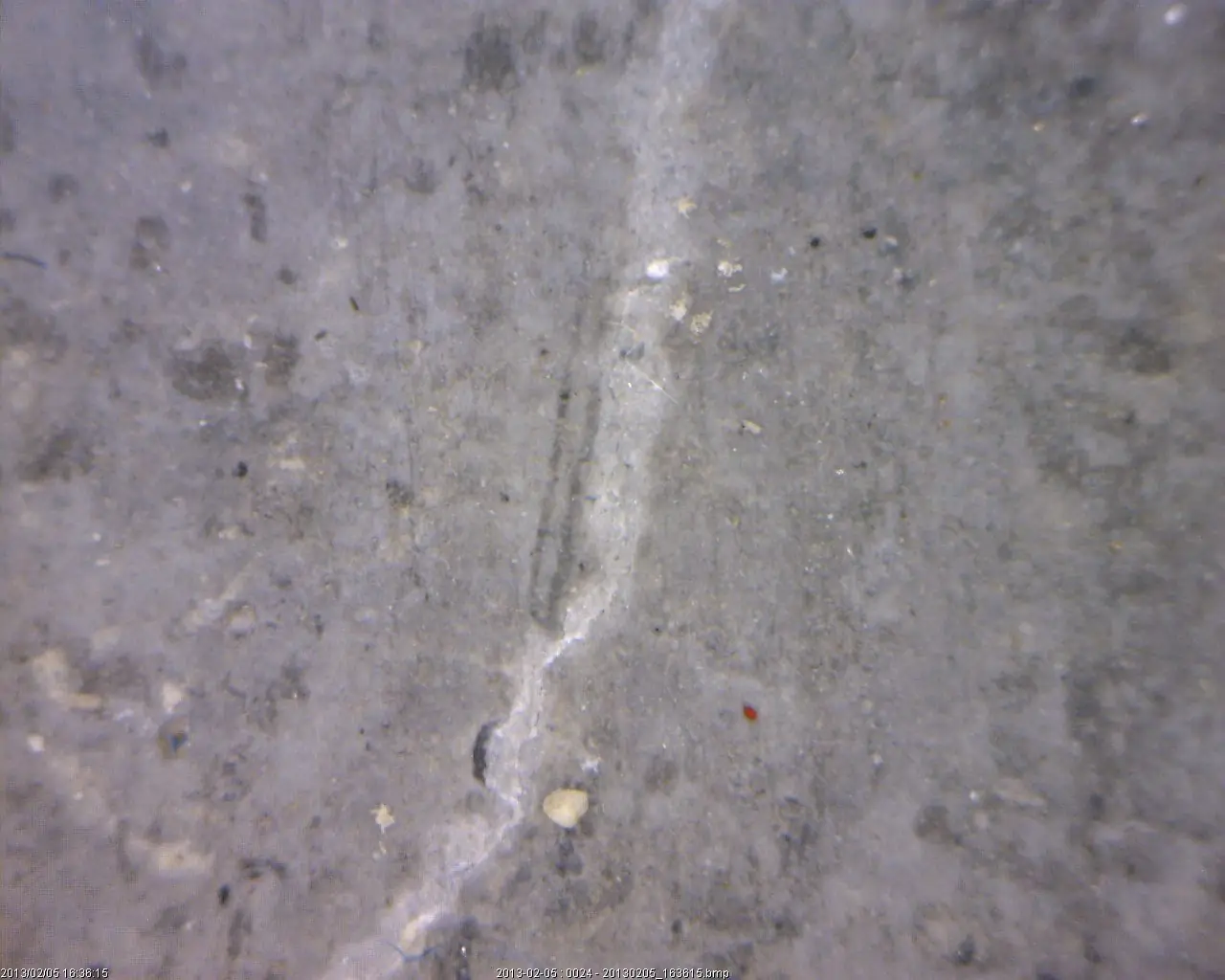
Reading a crack
According to the Texas Section ASCE guidelines, the majority of cracks leave a foundation structurally sound. Cracking in walls, concrete and finishes is on their list of possible signs of foundation trouble, but they note that seeing it doesn't necessarily mean the foundation is performing poorly. What tips the balance is the pattern: cracks that grow, cracks that come with sticking doors and sloping floors, and cracks that reopen after being patched.
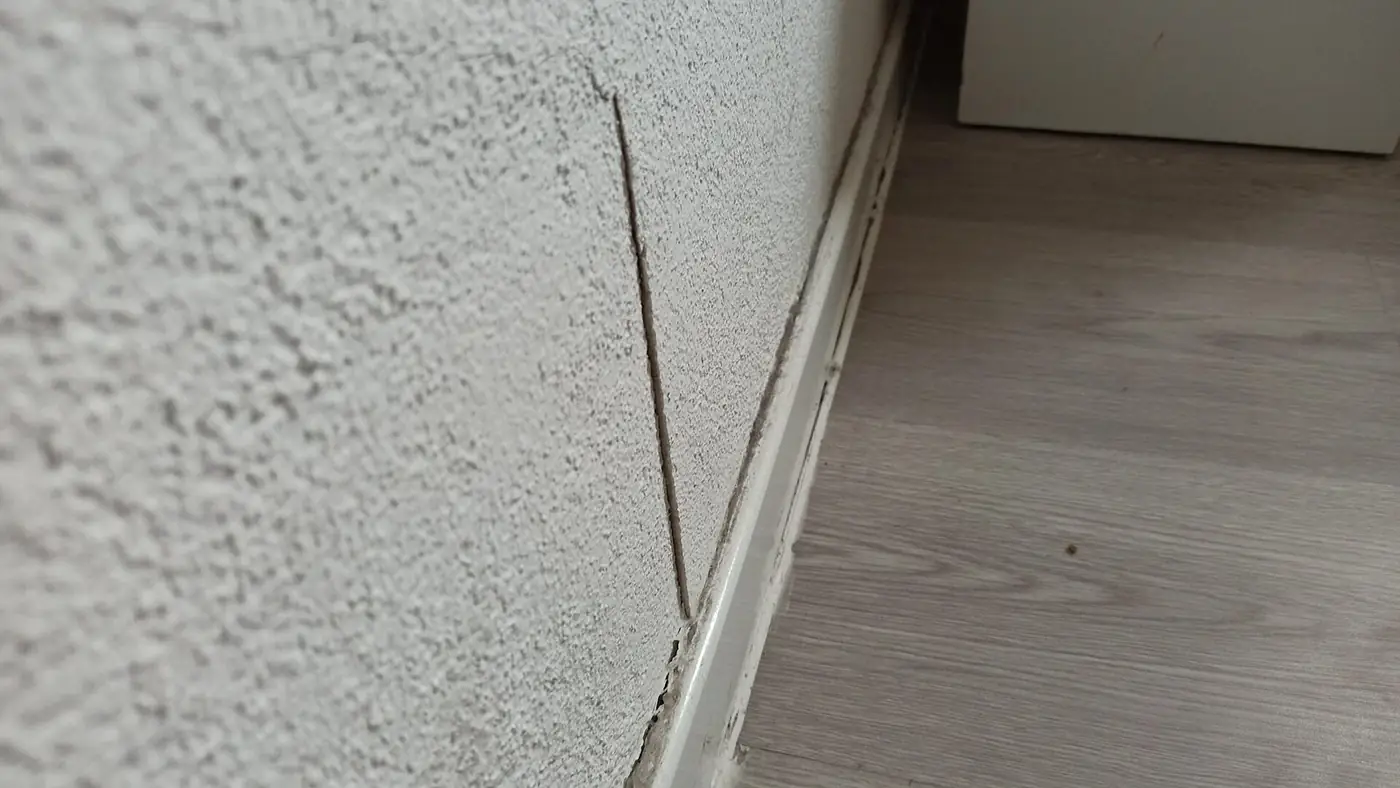
Slab cracks and post-tensioned slabs
Concrete Network describes narrow cracks, or none, as one of the benefits of post-tensioning, because the stretched tendons hold the concrete together tightly. A wider crack in a post-tensioned slab, or split tile running across a room, is worth showing to whoever inspects. Before anyone drills or saws to repair it, the tendons need to be located: Concrete Network cautions against cutting or drilling post-tensioned concrete at all, since a severed tendon is very hard to fix.
What crack repair involves
- Epoxy injection. The guidelines use it on slab cracks of roughly 1/32 inch and up, filling the gap with epoxy so the concrete is stiff across it again.
- Sealant. Where the goal is only to keep out moisture and insects, the guidelines say a sealant may be appropriate.
- Cost. This Old House lists hairline crack sealing with DIY epoxy at $200 to $800.
Sealing doesn't stop the movement behind a crack, and a sealed crack in a slab that's still shifting usually reopens.
Clay, trees and timing
In the USDA's soil description, Lake Charles clay splits open by as much as 2 inches in a drought and stays that way for two to three months in most years. A crack in the house that widens over a dry summer and closes again after fall rain is following the soil. One that widens steadily, whatever the weather, deserves a closer look sooner, especially near a large tree or a suspected leak.
Before you call
- Date and photograph each crack with something for scale.
- Note doors and windows that have started to stick.
- Write down any previous repair, plumbing test or engineer's report.
- Mention large trees near the house and whether the slab is post-tensioned.
Sources for this page
- Texas Section, American Society of Civil Engineers: Guidelines for the Evaluation and Repair of Residential Foundations, Version 3 (adopted April 1, 2022)
- Concrete Network: Post-tensioning basics
- This Old House: How much does foundation repair cost? (Stephanie Minasian-Koncewicz, updated March 6, 2026)
- USDA NRCS Official Soil Series Description: Lake Charles series (revised 03/2016)
Checked October 7, 2026. Rules, prices and contact details change; confirm with the source before acting.
Frequently asked
Can I seal a foundation crack myself?
Hairline cracks can be sealed with DIY epoxy, which This Old House lists at $200 to $800. If the crack keeps growing, or doors and floors are changing too, have it evaluated first, since sealing doesn't stop movement.
Is it safe to drill into a slab to repair a crack?
Only once anyone drilling knows whether the slab is post-tensioned and where the tendons run. Concrete Network warns that a cut tendon is difficult to repair.
Want it inspected?
Send the form or call to set up an inspection. Asking costs nothing.
Out of hours, the voicemail takes a name, a callback number, the address and a line about the cracks or doors.